
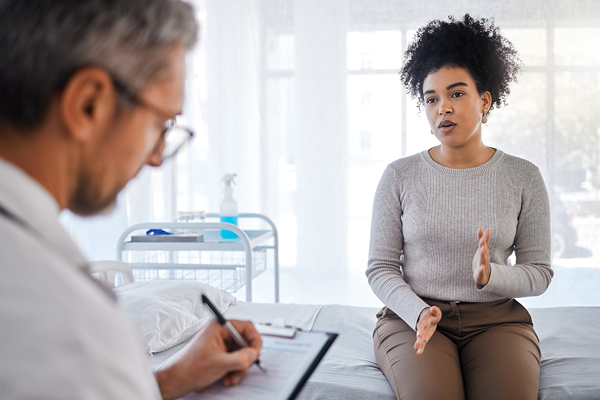
Finishing cancer treatment is a big achievement. You kept going, faced the challenges, and reached the other side. Though if you notice your body still does not feel the same as before, you are not alone. Many survivors have side effects that last long after treatment ends. This can be frustrating, but it does not mean your recovery is off track. It means your body has been through a lot and is still healing. Understanding what to expect can help you feel less alone during this time.
Many survivors talk about something called "chemo brain." This is a recognized issue that can cause memory problems, trouble finding words, or a general feeling of mental fog. You might walk into a room and forget why, lose your train of thought, or feel like your mind is slower than usual. Many people also feel a kind of tiredness that is different from normal fatigue. It might not go away after a good night's sleep and can affect your mood, motivation, and how you see yourself. These feelings can be tough, especially when others expect you to feel better now that treatment is over. There are ways to help you get through. Gentle movement each day, like short walks, can improve both your mental clarity and energy over time. Giving yourself permission to rest, staying in touch with people who understand, and talking honestly with your care team can all help as you recover.
Some chemotherapy drugs and radiation to the chest can change your blood pressure, heart strength, or heart rhythm over time. This is not something to be afraid of, but it is important to keep track of. Regular check-ups at Carolina Oncology Specialists let your doctors watch your heart health and catch any changes early, when they are easier to manage. If you notice new symptoms like shortness of breath, swelling, or chest pain, contact our care team right away.
Nerve changes are another side effect that many survivors experience, but not many talk about. Peripheral neuropathy can cause tingling, numbness, or a burning feeling, usually in your hands and feet. For some, it gets better over time. For others, it may last and affect balance, hand skills, or simple tasks like buttoning a shirt or walking on uneven ground. There are treatments that can help, so talk to your doctor if you notice these symptoms. Bone and joint health are also something to note, especially if you had hormone therapy or steroids during treatment. Achiness, stiffness, and changes in bone strength are more common than people think. Staying active, eating well, and working with your care team can help protect your strength and movement in the long run.
Survivorship is a new chapter that needs as much care as treatment. The side effects you feel are not signs of something wrong. Many survivors find that, with support, they become stronger and more in touch with their health over time. You have already done the hardest part. Now it is time to care for yourself as you move forward.
If you have ongoing side effects or want to talk about life after treatment, call 704-342-9577 to make an appointment with Carolina Oncology Specialists. You deserve support at every stage.
published: July 1, 2026, 3:12 p.m.